“Restoration, Rejuvenation, Reinvention”

Old buildings have always fascinated me.  When I was a kid, I used to search for old abandoned farmhouses where I was sure I’d find all sorts of interesting things—yellowed newspapers stuffed in the walls, tools or toys or items I could never identify—broken, discarded, or just left behind.  I gained a budding appreciation for architecture in that way.  I still walk around the Old Market or Benson or Dundee and spend as much time looking up at the buildings as watching for cracks and uneven pavement.

The last few years have found me involved with two major historical renovation projects; one is Rankin Hall, the former administration building at Tarkio College; the other is the Benson Theatre.  Both are on the National Register of Historic Buildings and badly in need of an expensive dose of Tender Loving Care.  At the same time, the organizations seeking to restore these structures—the Tarkio College Alumni Association and the Benson Theatre Project group—not only want to preserve the buildings but give them new life and new purpose.

The buildings need restoration, a return to their former elegance and efficiency and ability.  Both have stood a century or more and need some upgrades, as well—a facelift, a few new joints, better wiring, a new furnace—rejuvenation, if you will.  Even if both restoration and rejuvenation are possible, however, the time that has passed since their heyday has also left their original purposes a bit dated.  Their usefulness needs reinvention and repurposing for the modern age.  These are the goals of the groups working diligently on the projects, and I have entered the fray for each, donating sweat and time and thought and a dollar or two.

At first I was a bit reluctant to get involved with either effort.  The last year has been devastating for me, but I have realized recently that of all the metaphors swirling around me as identifiers for my life, these two projects probably come closest to home.  When my wife and my parents passed away last year, my foundation crumbled.  I lost my best friends, my most trusted advisors, my closest links to my past, my comfort and security in the future, and the well-springs of my dearest loves.  The doors were falling off their hinges.  The roof beams were sagging.  Vandals had broken the windows.  The pipes were frozen.  The pilot light had gone out.  I was badly in need of restoration.

Luckily, I have sons and family and friends who, even if they didn’t know it, helped me begin the long process of salvaging the life that was teetering on ruin and loss.  My restoration began in every handshake, hug, card, phone call, email…and casserole.  At times I felt like George Bailey returned from his dream to understand just how wonderful his life was.  I don’t have anyone named Clarence, but I definitely have “angels” in my life.  The building is secure.

The second part of this metaphor was up to me, however.  Each of us has to be in charge of his or her own rejuvenation.  Oh, it might take a good doctor to help get the cholesterol and blood pressure down to manageable levels despite a change in diet and exercise, but it still takes diet and exercise!  Physical health, however, is just part of the equation.  It takes some mental rejuvenation, also, and like physical activity, you can’t do it sitting on your ass in front of the television set or your computer.  That’s why you will find me out listening to music in Benson and around the Omaha area.  Or attending the opera or the ballet or the symphony or a play.  It’s also why I got involved in those two building restoration projects.  Rankin Hall in Tarkio is a labor of love from my youth and a hope that the new Tarkio College concept will again provide opportunities for students of all ages.  The Benson Theatre project, though, is personal to me as part of the next phase of my own life.

For forty-one years I was a classroom teacher or college administrator.  I still find myself teaching in some capacity even if it isn’t in a classroom.  As I’ve said before, teaching isn’t what I do, it’s who I am.  When my Nancy was in what turned out to be her final weeks, though, I retired from the classroom.  It’s been almost a year and a half since I actually stood before my students and led them to their discoveries.  So…who am I now?

I always wanted to write.  Since I was thirteen, I’ve been dabbling with poetry.  Recently I started seriously working on short fiction and these essays and possibly a novel.  And I’m still writing a poem now and then.  My dream from those early years, of course, was to publish a book.  I even had a title.  Dandelions & Other Flowers, a collection of verse, was published in late February 2014.  That fantasy came true because of the Benson Theatre project.

While sharing ideas with my good friend Amy Ryan one afternoon in January, I mentioned that I had started a concentrated effort to really get back to writing.  It was my goal for retirement anyway.  She thought that I should join a writer’s group, something I had toyed with but hadn’t pursued.  One was meeting that Thursday evening.  OK.  I went.  Had a ball.  My fellow scribblers inspire me to keep doing it.  The week after that first meeting, one of the members of the group was being feted at a reading.  My friend and singer/songwriter Michael Campbell was going to provide some music, as well.

That night was fun.  Heard some good writing and good music.  Met some more interesting people.  Afterward I was chatting with Michael, and in the flow of conversation I learned that he was in the business of preparing books or manuscripts for digital uploading to the many online presses that have popped up around the country.  This new version of the “vanity press” is a wonderful medium for publishing because the initial expense is minimal, and the resulting book is printed on demand, not 5,000 all at once that have to be marketed and sold in volume.  We had lunch the following Tuesday.  By the end of the week, Michael had my book ready to upload!  The end of the next week I had my proof copy in hand.  Three weeks from my initial, casual conversation with Amy and I had my book!

I have now reinvented myself as a writer.  The process is ongoing as I navigate murkier waters of marketing and other opportunities, but I have expert advisors on whom I may call, right here!  This is where the Benson Theatre project comes into this.  All those serendipitous conversations that eventually led to my first book are the vision inherent for the purpose of the Benson Theatre.  We (yes, WE) want to provide classes—for free—to artists young and old to help them realize their dreams.  Entrepreneurship classes, business classes, contacts with the professionals they need to meet and know in order to pursue those dreams.  That’s the daylight hours of operation.  At night we’ll light up Benson nights with performances by those same artists and others so they have a space to display their talents.

I have been restored, rejuvenated, reinvented.  I invite you to join me in recreating the Benson Theatre and Tarkio College, whichever fits with you—or both!  You never know when you might benefit from the fountain of youth that this service could be.
http://www.bensontheatre.org

http://www.tcaa.org

Posted in Uncategorized | Tagged , | Leave a comment

“Denial”

Here’s a bit of Irish melancholy at the end of St. Patrick’s Day:

“Denial”

Seconds, minutes, hours, days

with no sign from

you.

I convince myself again

you are trying to convince yourself


your arms don’t hold the same hungry

longing for the sanctuary of our embrace,

your lips don’t crave the soul-deep

kiss as yet unshared,

your aching heart doesn’t swell with

promising love half-heartedly denied


You call and nothing else matters except

Possibility.

Daniel J. Cox

03/17/2014

Posted in Uncategorized | Tagged | Leave a comment

“Self-Convinced”

After several hours of deep immersion in a scene I was writing recently, I needed a break and, as I often do, adjourned to one of my favorite pubs for some libation, relaxation, music, and conversation.  Once seated and sipping, I unwrapped one of the cigars that I keep to just chew on in our smokeless state and put the cellophane on the table.  Almost immediately a young man I had never before seen suddenly plopped into the chair next to me at my table.

“Hi, there!” I smiled, but he barely looked at me before snatching up the discarded wrapper and leaving without a word.

I wasn’t too nonplussed.  I’d caught a quick look in his eyes.  It has been a while, but I’ve seen that off-plane look before.  He was definitely living in a different dimension that night, if not more permanently.  I didn’t think anything of it.  He seemed harmless enough.

When I went to the bar for a refill, I got a better look at him seated at a table near the door.  He was about mid-twenties, dressed in jeans and a military surplus field jacket.  His blond hair was fairly long, tied back in a ponytail, and the water ring his beer glass had made on the table seemingly preoccupied him.  Yes.  As a child of the ’60s, I had definitely seen his ancestors.  I went back to my table to listen.

I was trying to pay attention to the performers, but my writing muse would not leave me alone, however, and despite the good music, I was constantly pulling out my iPhone to take notes on revisions of what I had already spent hours crafting and jotting down ideas for other pieces.  I had hoped to catch the second set of one young man in particular who would finish the evening’s entertainment, but I finally just had to go home and write.  I rose to pay my tab.

The bartender/owner of the establishment had just handed me my tab when the wild-eyed young man from earlier approached and looked at me directly.

“But, if the self-convinced person leaves, how will we know what NOW means?” he demanded.

“What?”

Anxiously he repeated: “If the self-convinced person leaves, how will we know what NOW means?”

“OK,                           ,” (I didn’t catch the name) said the barkeep, “You need to leave now.”

“Oh, he’s fine,” I assured him.  “Not a problem.”

Turning back to my new friend, I said what came to mind: “We all have to find out on our own anyway, I guess.”

With that the young man turned and went back to his seat.  He didn’t even look up at me when I walked past him and out the door.  All the way home I could only think that I needed to get back to my keyboard so that I could write down his question for future contemplation.  It was cold and I didn’t want to take off my gloves to fumble for my phone while driving, or I would probably have let Siri take a note for me.

What an intriguing question!  I have been thinking about not only his needing to know what “Now” is but also why he identified me, I assume, as a “self-convinced person,” and just what that, too, means.

What does it mean to be “self-convinced”?  Did he mean self-confident?  Self-assured?  Or is a self-convinced person also self-deceived?

I have tried to be confident in myself and all that description might entail.  I try to be open to all things, a student of all things.  I attempt to educate myself.  I have always prided myself on my independence of spirit, at least.  When I read Emerson’s “Self-Reliance” as a young person and then taught the essay for many years, I especially liked—and still do—his admonition to “Trust thyself.  Every heart beats to that iron string.”  I believe that I even carry myself somewhat with an air of self-confidence (and that alone has probably gotten me out of some precarious situations in places I most likely shouldn’t have been).  How my new acquaintance perceived me is a puzzle with no answer.

And what does “Now” mean?  Does only someone who is confident in him or herself truly understand the moment?  Is “Now” only a moment?  What is a moment in Time?  I think I’ll leave this discussion for another essay.  You can try to define Now and Time on your own at this point.  I can provide a bit of a suggestion, perhaps.

I’ll go back to Emerson.  “There is a time in every man’s education when he arrives at the conviction that envy is ignorance; that imitation is suicide; that he must take himself for better, for worse, as his portion; that though the wide universe is full of good, no kernel of nourishing corn can come to him but through his toil bestowed on that plot of ground which is given to him to till. …. Insist on yourself; never imitate. …. Nothing can bring you peace but yourself. Nothing can bring you peace but the triumph of principles.”  Yes, I’m cutting and pasting, but I encourage you to read the entire essay.

I think I am, as my young challenger seemed to indicate, self-convinced.  I have been beaten down by the world and by nature, but I have taken each blow, no matter how staggering, and gotten back up off of the mat.  Sometimes I turn the other cheek and get knocked down again, but you’d better believe that I continue to give as good as I get.  Unfortunately, the other fellow sometimes carries a scythe, and I am unarmed against it.  But this is Now.  I hope that final battle comes later.

Posted in Uncategorized | Tagged , , | Leave a comment

“Out of Darkness-II”

It’s seven o’clock in the morning.  Cold, so the custodian let several of the kids in to let them get warm.  The usual crowd of freshmen and a few sophomores had been dumped on the curb by parents going to their 7:20 shift at the plant. The shadow in the darkest corner of the hall was Evie Hokee, but none of the other kids knew that. They didn’t really see her or know she was there.  As the hallways filled with students the closer it got to first bell, the more Evie faded into anonymity.

The sharp sting of the razor had brought her awake that morning. Buried in the corner, wrapped in the worn coat that had been her grandmother’s, she remembered the pungent smell and the sweet iron taste of her blood when she held the opened vein in her wrist to her mouth while fumbling for the gauze wrap. The awkward bandage was hidden under the long black sleeve of her ragged sweatshirt. Her hand throbbed from the stricture of the bandana tied too tightly over it all.   She hadn’t bandaged yesterday’s cut as well and blood had oozed like the futility of her life out onto the page of the pop quiz in first period Spanish.  She wadded up the stained vocabulary, stuffed it into the pocket of her coat, and didn’t add it to the stack passed to her from behind. One more zero wouldn’t matter.

Zeros.  She thought briefly of those perfect circles, like the braided cords she wore around her neck.  It was a strange necklace, but no one saw it.  No one saw her.  She could feel the long tail of the yet unbraided cords down her back.  Maybe tomorrow she would finish it.

With the incomplete stack of quiz papers she tapped the girl ahead of her on the shoulder.  She was new just that morning.  Unlike the other students who simply reached without looking over their shoulders for the papers, this girl turned completely around in her seat, looked Evie directly in the eyes and with a beaming smile said, “Hi!  Sorry, I don’t know the procedures in here yet.  Thank you.”

Evie was so stunned to be seen, to be recognized in any way, all she could do was open her mouth and hand over the papers.  With that look she felt as if she’d been slapped or dunked in a tank or struck by lightning that surged through her body, but it was all so warm and delicious at the same time.  And all too brief.  The only times Evie had been this aware of herself and her world was when the blade of her razor drew quick lines of pain down her arms and her own warm blood welled up.  But this was not pain.  Far from it.  Only it was fleeting, also, like a door opened to a flash of summer sun and then slammed shut again on darkness.

The rest of the morning Evie again moved unseen among her fellow students, the teachers, counselors, administrators, and staff.  During her lunch period she found her usual place in another corner as far removed as possible from the crowd.  The silence of her solitude was a dam against the flooding din of conversation, but the students’ shared familiarity still washed accusingly over her, a drowning wave that forced her to the bottom of her Sea of Depression.

The bell rang for her next class after lunch, and Evie waited for the cafeteria and hallways to clear somewhat before she left her seclusion.  Just as she looked up to start for the door, the same girl from Spanish class was passing by.  Again she saw Evie, looked right at her, and, with that same bright smile, waved a greeting—an acknowledgment of Evie’s existence—as she went through the door.  A gasp for air brought Evie to herself.  She’d been holding her breath, unable to move, to stand, to think.  Then the moment was gone as it had fleetingly left that morning.  Alone and anonymous then, she left for her next class.

After shivering for an hour under the bare tree in front of the school at the end of the day, Evie again walked the four miles home.  Her mother either had to work a double shift or had simply forgotten her once more.  The apartment was dark when she let herself in.  She cut the mold off of the heel of bread that remained in the bag, spread the last of the peanut butter over the edges and onto her fingers, and ate for the first time that day.  Running cold tap water into same glass she’d used that morning, she washed it all away.

In her room a single bulb gave her the light she needed to work on her braiding.  Evie pulled the circle of cords over her head, slipped that noose of intertwined strands over the doorknob, and drew them tight.  One over and around the other she laced together an intricate pattern of connected lines and finally reached the end.  Seven feet of re-braided survival cord from a wristband she’d managed to shoplift from the corner convenience store, a sturdy necklace with a long tail.  After knotting together the five loose ends, she widened the loop from the doorknob and once again placed it over her head.  The chafed abrasions around her neck stung like the still open wounds on her arms.  Her work hadn’t taken very long, but after tucking the braids under he sweatshirt, she lay down or the bed and eventually slept.

Morning came, but she woke as usual in darkness.  She didn’t know if her mother was there.  It didn’t matter.  Evie smiled, but it was an odd expression that did nothing to dispel the sadness and despair in her eyes and in her heart.  This was a smile of relief and finality and purpose.

She was still wearing the clothes she had worn the day before, the same ones she’d worn the day before that, and probably the day before that.  She didn’t remember.  There weren’t many choices.  Her grandmother’s coat had been her blanket, and she slipped her arms into the too-long sleeves.  A freshwater clamshell she had found several years before on a rare trip to the nearby lake was on her bedside table.  She held it in her hand for a moment, remembering that warm afternoon of light, then put it in the left pocket of the coat, the pocket without the hole in it.  Her eye caught the photograph pinned to the wall.  Two little girls were smiling.  Evie barely recognized the one on the right as herself just six years ago.  On the left was Mandy.  Mandy had been her friend, but her family had moved that year.  They’d both wept and promised to keep in touch.  Now Evie had no idea where Mandy was.

That picture triggered another memory this time.  Evie remembered the new girl at school who had, for some reason, done what no one else had bothered to do in so long.  Usually if one of the other students recognized her, it was to use the same old derisive playground rhyme:  “Hey, Hokey Pokey!  Shake it all about, will ya!”  She had hated her name then for the teasing she didn’t understand.  Later she had tried to find a meaning for it, but baby name books weren’t any help, and the Internet was too confusing.  Eventually she quizzed her grandmother not long before she died.  It made sense then.  Hokee.  A sort of misspelling of a word from some Native American language: Abandoned.  Fitting.

Lost in thought, she dropped the photograph and once again thought of the new girl and her smile.  Picking up the picture, Evie whispered to her younger self and her long lost friend, “OK.  We’ll see.”  She put the photograph on the wobbly nightstand with the broken leg, then took off her grandmother’s coat.  This morning she’d shower and see if she had any other clothes to wear.

When the bell rang to warn students that they had five minutes left to get to first period classes, Evie went to her locker for her Spanish book.  With the door open, she didn’t see the girl arrive at the locker on the other side until she spoke.

“Oh, hi!  The office finally got me a locker today.  Guess you must be an ‘H,’ too.  Alphabetical, you know?  Wow, that’s a really cool braided necklace.  I love braiding, but I’ve never seen that pattern.  You’ll have to teach me.”

Slowly and deliberately Evie pulled the trailing end of the braided necklace of cords from beneath her blouse and coat and held it out.  She was so stunned to find this unusual girl right there before her that for a moment she couldn’t speak and merely offered her the end of the braided cords.

“Uh, ‘H.’  Yeah.  Hokee.  Evie Hokee.  It’s Indian, American Indian, I think.”

The new girl took the braid and held it up for a closer look.  “Wow!  That’s really crazy that you have this thing so long and it’s a necklace!  Hokee?  That is unusual.  I like it.  It makes me want to dance!”

The smile she gave Evie seemed to light up the hallway, and Evie actually expected her to suddenly start dancing right there with the ends of her braid like a leash in her hand.  Instead, still holding the cords in her left hand, she extended her right to shake hands with Evie and said, “I’m very glad to meet you, Evie.  I’m Amy.  Amy Hope.”

[Do you really see those around you?  Take a look.  Smile.  You may never know whose lifelines you hold in your hand.]

Posted in Uncategorized | Tagged , , , , | Leave a comment

“Out of Darkness-I”

It’s seven o’clock in the morning.  Cold, so the custodian let several of the kids in to let them get warm.  The usual crowd of freshmen and a few sophomores had been dumped on the curb by parents going to their 7:20 shift at the plant. The shadow in the darkest corner of the hall was Evie Hokee, but none of the other kids knew that. They didn’t really see her or know she was there.  As the hallways filled with students the closer it got to first bell, the more Evie faded into anonymity.

The sharp sting of the razor had brought her awake that morning. Buried in the corner, wrapped in the worn coat that had been her grandmother’s, she remembered the pungent smell and the sweet iron taste of her blood when she held the opened vein in her wrist to her mouth while fumbling for the gauze wrap. The awkward bandage was hidden under the long black sleeve of her ragged sweatshirt. Her hand throbbed from the stricture of the bandana tied too tightly over it all.   She hadn’t bandaged yesterday’s cut as well and blood had oozed like the futility of her life out onto the page of the pop quiz in first period Spanish.  She wadded up the stained vocabulary, stuffed it into the pocket of her coat, and didn’t add it to the stack passed to her from behind. One more zero wouldn’t matter.

Zeros.  She thought briefly of those perfect circles, like the braided cords she wore around her neck.  It was a strange necklace, but no one saw it.  No one saw her.  She could feel the long tail of the yet unbraided cords down her back.  Maybe tomorrow she would finish it.

Through the day Evie again moved among her fellow students, the teachers, counselors, administrators, and staff.  During her lunch period she found her usual place in another corner as far removed as possible from the crowd.  The silence of her solitude was a dam against the flooding din of conversation, but the students’ shared familiarity still washed accusingly over her, a drowning wave that forced her to the bottom of her Sea of Depression.

After shivering for an hour under the bare tree in front of the school at the end of the day, she again walked the four miles home.  Her mother either had to work a double shift or had simply forgotten her once more.  The apartment was dark when she let herself in.  She cut the mold off of the heel of bread that remained in the bag, spread the last of the peanut butter over the edges and onto her fingers, and ate for the first time that day.  Running cold tap water into same glass she’d used that morning, she washed it all away.

In her room a single bulb gave her the light she needed to work on her braiding.  Evie pulled the circle of cords over her head, slipped that noose of intertwined strands over the doorknob, and drew them tight.  One over and around the other she laced together an intricate pattern of connected lines and finally reached the end.  Seven feet of re-braided survival cord from a wristband she’d managed to shoplift from the corner convenience store, a sturdy necklace with a long tail.  After knotting together the five loose ends, she widened the loop from the doorknob and once again placed it over her head.  The chafed abrasions around her neck stung like the still open wounds on her arms.  Her work hadn’t taken very long, but after tucking the braids under he sweatshirt, she lay down or the bed and eventually slept.

Morning came, but she woke as usual in darkness.  She didn’t know if her mother was there.  It didn’t matter.  Evie smiled, but it was an odd expression did nothing to dispel the sadness and despair in her eyes and in her heart.  This was a smile of relief and finality and purpose.

She was still wearing the clothes she had worn the day before, the same ones she’d worn the day before that, and probably the day before that.  She didn’t remember.  There weren’t many choices.  Her grandmother’s coat had been her blanket, and she slipped her arms into the too-long sleeves.  A freshwater clamshell she had found several years before on a rare trip to the nearby lake was on her bedside table.  She held it in her hand for a moment, remembering that warm afternoon of light, then put it in the left pocket of the coat, the pocket without the hole in it.  Her eye caught the photograph pinned to the wall.  Two little girls were smiling.  Evie barely recognized the one on the right as herself just six years ago.  On the left was Mandy.  Mandy had been her friend, but her family had moved that year.  They’d both wept and promised to keep in touch.  Now Evie had no idea where Mandy was.  She pulled the pin from the wall and put the photo with the shell.

One leg of the nightstand wasn’t really attached to the table.  Evie took it in her hand and then dragged the table under the ceiling fan in the middle of the room.  The fan hadn’t worked in years, but Evie knew it was firmly secured to the ceiling.  She put the broken leg back under the edge of the table just enough to hold it up, then, as she’d practiced so many times, gingerly climbed onto the unsteady surface.

Slowly and deliberately she pulled the trailing end of the braided necklace of cords from beneath her sweatshirt and coat and stretched it toward the supporting shaft above the broken fan over her head.

Posted in Uncategorized | Tagged , , , , | Leave a comment

“The Most Wonderful Nation”

I’ve only been to Memphis once.  Wasn’t there overnight.  Didn’t go to a bar.  I’ve never really been in a bar fight, but I’ve spent the last five hours in a bar in Memphis.  Bar fight.  Broken bones.  Guns drawn.  Police called.  Actually, I’ve been there on and off for the last couple of weeks.  Still there, to be honest.  I have to do a good deal of revising, re-writing, and editing.  I need to work on the dialogue.

Sometimes reality isn’t real.  This part of the story I’m writing, hopefully my first novel, has been growing like the Alien inside my head.  Usually it isn’t so disturbing (that scene from the movie brought me right up off my seat when I first saw it), but it’s gotten me out of bed more than once in the last few weeks and kept me awake on the plane home from Keystone last week.  At one point I had an idea for part of the scene as I was skiing in the snowstorm we had on Friday.  Almost fell down because I forgot where I was and what I was doing.  I dodged a beer bottle instead of a new mogul.

This whole experience of creating such an extended, involved storyline is quite different from the short poems I have been writing for so long.  It’s like living another life—more than one, really.  Those of you who create art of any kind know what I mean.  Writers especially will get it.  Even if it’s not good, what the “muse” insists on must be done.  That alien has to come out.

But that wonderful nation, the IMAGI-NATION, is such an incredible place to go.  Whether you read or write the stories, go to the movies and plays or write them or act in them or help to make them come alive in the sets and film and music…you can be lost there for any amount of time.  This whole idea is one I’ve loved for so long.  The line that is inspired this title comes from the movie “Miracle on 34th Street.”  Santa tells the little girl, who has been denied her passport to this wonderful nation by her heart- and dream-crushed mother, that she has to go to the imagination to truly appreciate real life.

I’ve traveled some, but not too widely.  In my mind, though, I’ve been to some incredible places with Jules Verne, JRR Tolkien, William Shakespeare, Billy Collins, George Lucas, Willa Cather, and so many, many others.  As children we brought new worlds to life in our games and had all sorts of adventures.  We tried on costumes and capes, had super powers, and invented glorious devices, and attempted what we discovered was not quite possible…and, yes, I jumped off the garage roof with an umbrella for a parachute.

Doesn’t look like I’m going to grow up soon.  One of these days maybe you’ll get to join me in my world and the most wonderful nation.

In the meantime, don’t forget to dream.

Posted in Uncategorized | Tagged , , , | Leave a comment

“It’s All Greek to Me”

Forty-four years ago I surprised all sorts of people when I joined Tarkio College’s first national fraternal organization.  Yep.  I’m a “frat boy” (and I detest that term).  Everyone who knew me expected me to go through life proudly wearing the letters GDI instead of ASF.  What on Earth ever possessed me to “give up my independence” to become a clone?  I love Townes Van Zandt’s take on fraternity life in “Fraternity Blues,” but it’s simply one parody after another—funny, but not accurate (even though I did have to learn the Greek alphabet in both directions).  So, why did I do it?

My dear Alma Mater was (it closed in 1992, unfortunately) a small liberal arts college in a small town in northwest Missouri only eight miles from where I grew up.  I’m about as “white bread” as a person can get.  Diversity in my life in the late ’60s meant I had a few friends who were Catholic, and they had to go to another town to worship.  My family has always been thirsty for knowledge and our parents taught my brothers and me to be accepting of difference and eager to learn new things and meet new people.  Tarkio College may have been a small place, but it enrolled students from all over the world and all walks of life.  The very first pledge class of the Delta Gamma chapter of Alpha Sigma Phi reflected that variety.  My brothers were different, and we enjoyed the variety.

Tarkio Chartering Group 1970

We learned a great deal from one another.  In the two years at TC I had left, I probably learned more from my brothers than I did in class studying sociology, anthropology, art, literature, and the rest of the curriculum.  Yes, we even studied.  I remember my two roommates and I doing that very thing.  One was a music major, the other studied drama, while I applied myself to literature and writing.  It was a terrific room, and students from all over campus visited (for a variety of reasons).  Not everything was in the books we read or the lessons to which we actually did apply ourselves.

Late nights included conversations about race relations.  It was the early ’70s, and things were tense around the country and, at times, in Tarkio.  My Black brothers (true, there weren’t many, but one was more than I had grown up with), helped us to understand the issues about which we otherwise could only read.  The Viet Nam War (OK,

“Conflict”) was at its peak, and some of us were dreading the draft.  Political and religious discussions could be heated, but they were also among friends.  Since we represented a pretty good cross-section of the nation, we learned more about regional differences and similarities than any government class could afford us.  Boxes of “goodies” from home provided us with some tantalizing experiences with a variety of culinary and ethnic adventures.

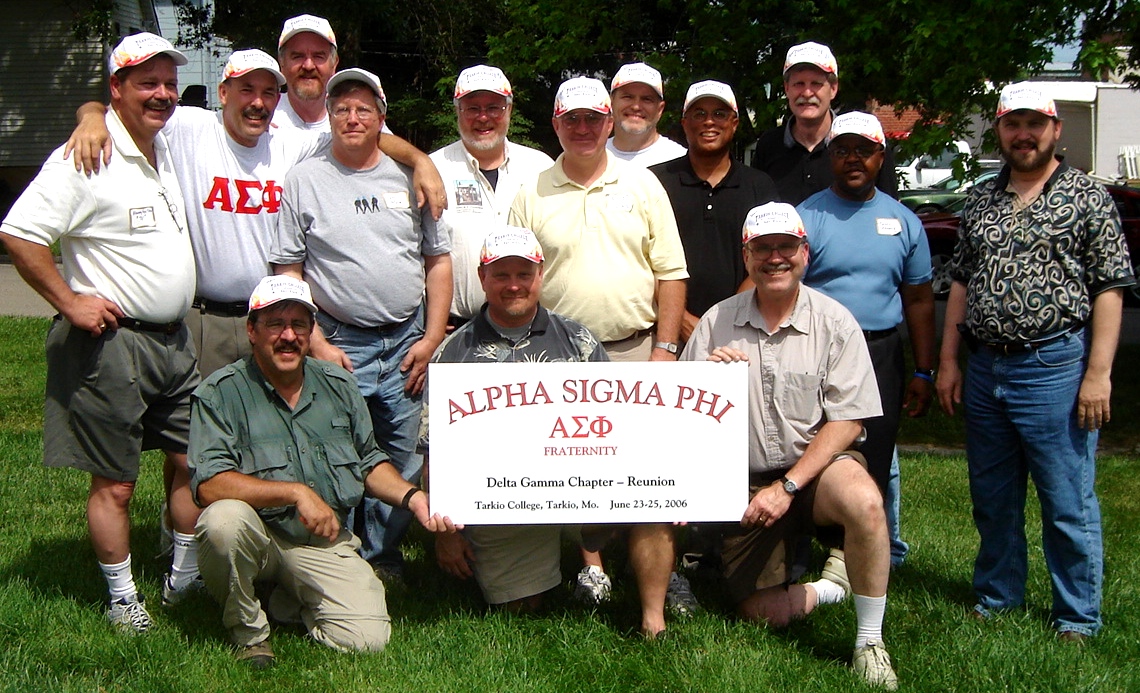
Like all commencements, each of us began our new lives after graduation and went our separate ways without too much of a look back.  When the college closed, we really lost track.  Even our records went to another institution.  For too many years that part of our lives was lost in starting careers, families, and lives in different parts of the world. Then in 2006 the Internet helped us reconnect.  A few emails among some of us from that first pledge class resulted in a fraternity reunion at the annual Alumni Association gathering.  Although the campus was history in ruins, some of us gathered to reminisce and build on those long-ago relationships.  It was a beautiful thing.

Since then a few of us have maintained those bonds and gather annually on campus.  We are, I am proud to say, part of the nucleus that is rebuilding Tarkio College, as well.  Maybe the institution is not what it once was, but the brotherhood we Alpha Sigs established so many years ago is as strong as ever.

We have lost some in the ensuing years.  One of my roommates, Richard “Guppy” Pugh, a Broadway staple for decades, passed away just a month before our first reunion, but my brother Mike Perry (AKA “Snake”) and I have been canoeing, fly fishing, furniture moving, re-furbishing TC, and supporting one another on a regular basis.  As Facebook “friends,” many of us carry on our political and religious disagreements, inform one another about our regions of the country, share a recipe now and then, rejoice in our accomplishments and those of our children (and grandchildren), and sympathize with our misfortunes.  I have no better friends than those men with whom I shared what were definitely my “formative” years.

What holds us together?  We are brothers.  Yes, it’s corny.  Yes, it’s simply that we have that same badge of belonging among so many others.  But we know that no matter what disagreements or how many miles might separate us, any time we get together again, the years become just a matter of gray hair—if there is any, new wrinkles and aches and pains, and interesting new things to discover about one another.  I have an entire extended family upon whom I can call at any time, and I have done so.  We just pick up where we left off, although it might take a few reminders!

I may belong to several other groups of one kind or another, but only my blood relatives and a very few other friends are as close as that group of men who shared those years and memories with me.  They helped me through college, were part of my wedding entourage, celebrated with me the births of my sons and grandchildren, mourned with me the loss of my wife and parents, and will hobble along with me until the end, I know.  The cause is hidden, but the results well known.

ASPGROUP2006Now I’m going to have dinner with one of my “brothers from another mother.”  I’ll talk with you tomorrow.

Posted in Uncategorized | Tagged , , , | Leave a comment

“Just over the Hill”

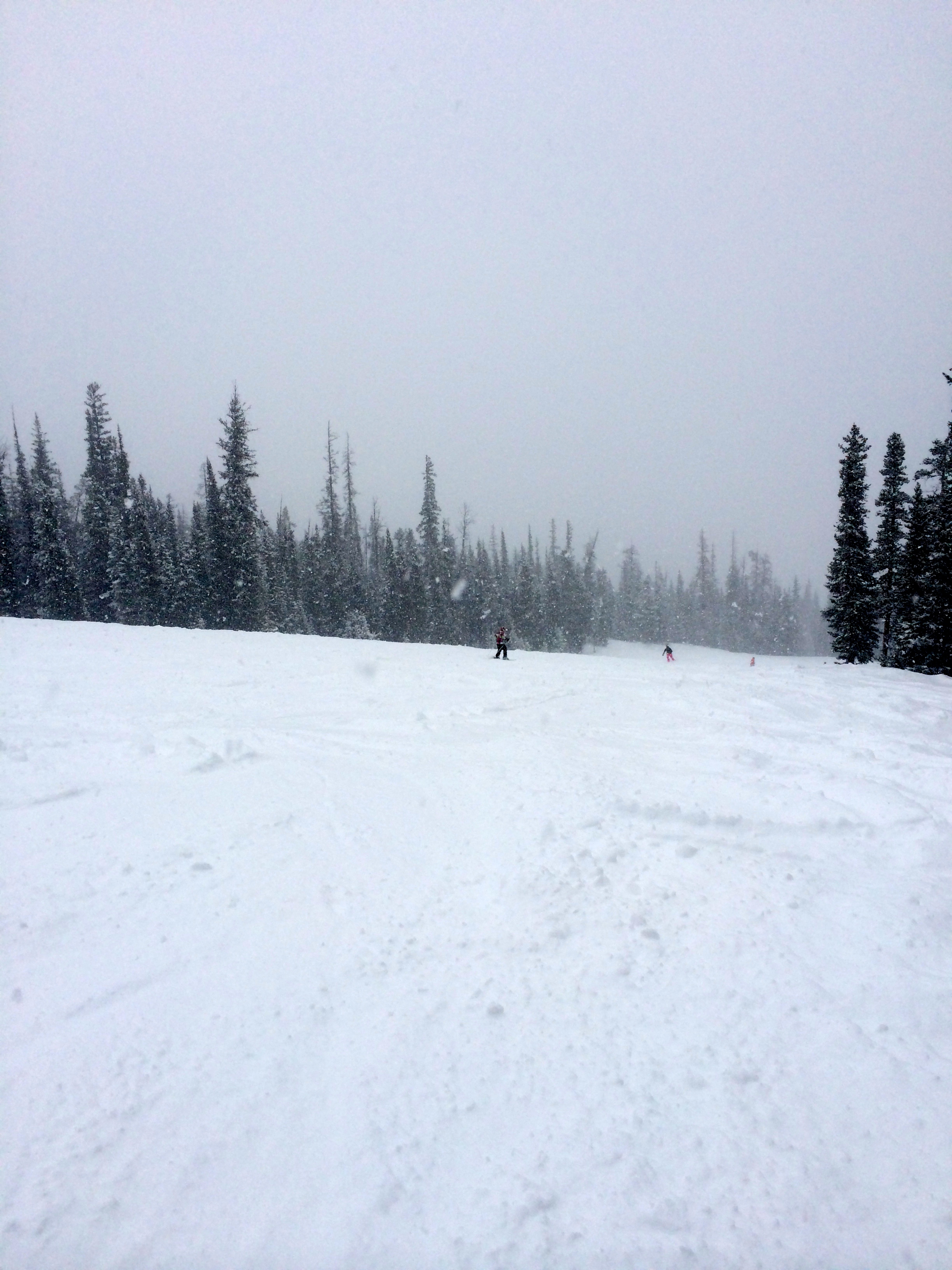
I’ve been skiing—sort of—for fifty years.  I started on the golf course in Rock Port, Missouri, where I grew up, and didn’t actually make it to the mountains of Colorado until I was in my 30s.  I tried to go for a few days every year after that, but there were some tediously long gaps.  My trip before Christ

mas 2013 was the first time back in 22 years.  I just returned from another wonderful three days in the snow that I was able to

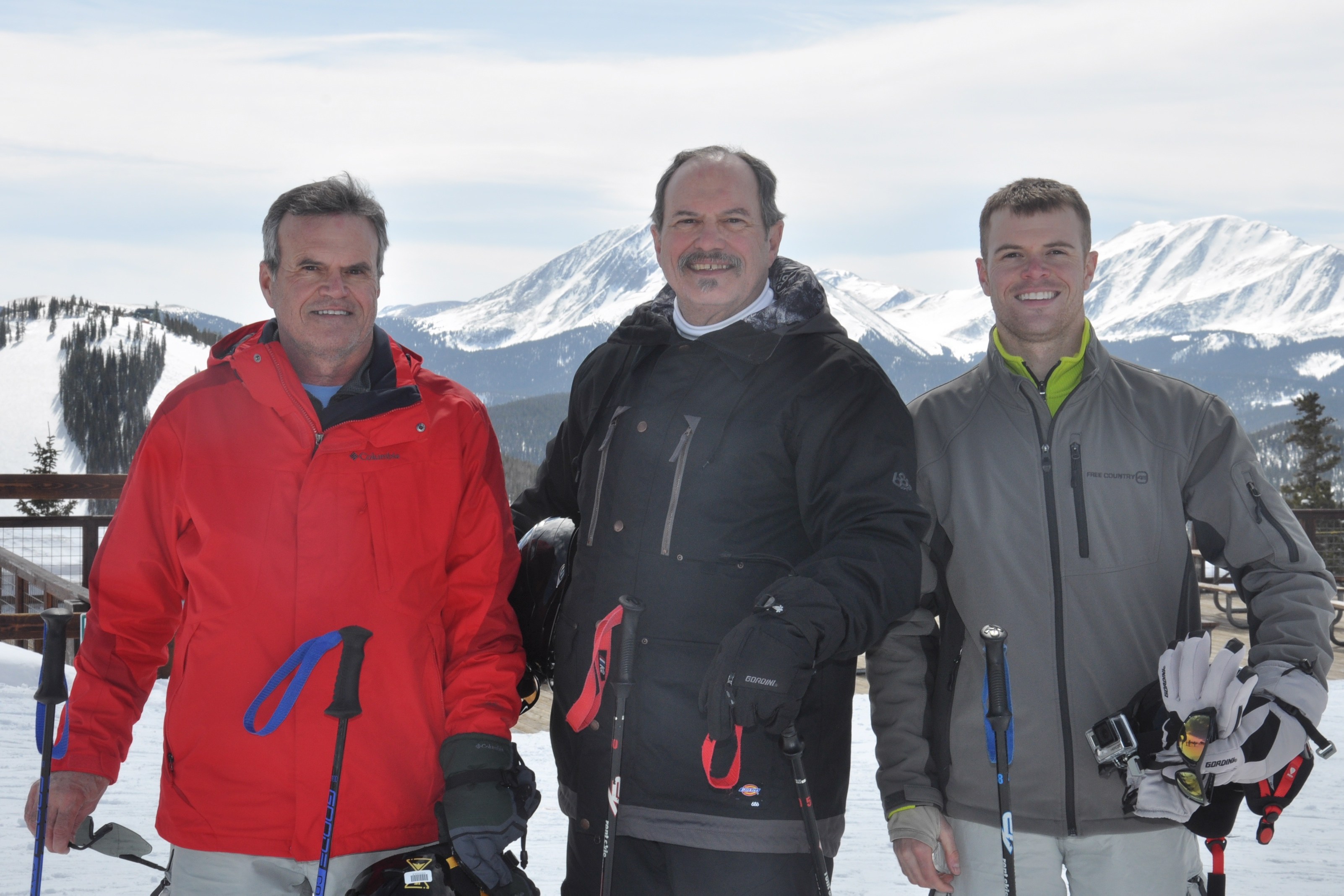
share with my brother Ben and his son, Aaron.  In more ways than one it was a marvelous trip.

BenDanAaronBen and I have skied together in Colorado three times now over a thirty-year span.  He is one day short of exactly one year younger than I—62 and 63.  Great memories.  We always take pictures and have our picture taken to commemorate these events.  With social media what it is today, it’s easy to share those photos with a muc

h larger audience (even if they couldn’t care less).  I shared a couple anyway.  Skiing has been just one of the adventures I’ve undertaken in the last year, and I’ve been amused by some of the comments my friends have made about my new lifestyle.  Everyone is supportive and encouraging.  Those comments that I sound and look “younger” I find especially entertaining.

Standing at the top of the mountain at Keystone last Friday morning, I thought about the metaphor I’ve always seen in ski runs.  Ski a certain pattern

of runs there, and it’s almost three miles to the base.  It was snowing like crazy—a couple of inches an hour at times—and the powder was piling up.  Visibility was poor.  It was difficult to see the best line to ski.  After several days of brilliant sunshine and warmth, the snow beneath the fresh powder was hard and rutted despite the grooming.  Spring Break season was just getting started.  Early Birds had arrived and the mountain was crowded.

As we made our way down the mountain, we knew we were in for a hard day of skiing.  The day before had been glorious, and I had spent it charging

downhill, carving turns, a

Keystone

n

d exhilarating in the speed and control I was able to achieve.  In Friday’s powder and heavy snowfall, however, I sometimes looked more like an out-of-control windmill broken loose from its frame.  Too often we discovered the ski patrol tending to injured skiers—unfortunate vacationers being strapped to sleds and receiving first aid, surrounded by concerned friends and relatives.

We didn’t make as many runs that day as we’d hoped.  After two days o

f skiing we were alread

y a bit sore and tired, so we didn’t want to take unnecessary risks, and we wore ourselves out in a hurry.  It was good to test our limits and then call it a day.

It’s an easy metaphor: Life/Skiing.  Am I at the top of the hill?  Just over?  On my way down and gaining speed?  Lots of risks out there.  Hard to see ahe

ad and the path can be rough and uncertain.  When I’m honest with myself, my life is what I expected, however.

I don’t care.  I’ve prepared for the journey.  I have good gear and I’m in fair physical condition. Friends and relatives lend support (and are concerned at times).  I have access to skilled assistance when I need it.

Do I feel younger?  Look younger?  Younger than what?  Hel

l, no.  I get older every second, but we all have since birth.  I just try to get better with the experiences and enjoy the ride.  It’s more fun when I have company, but I can make the trip by myself, too.
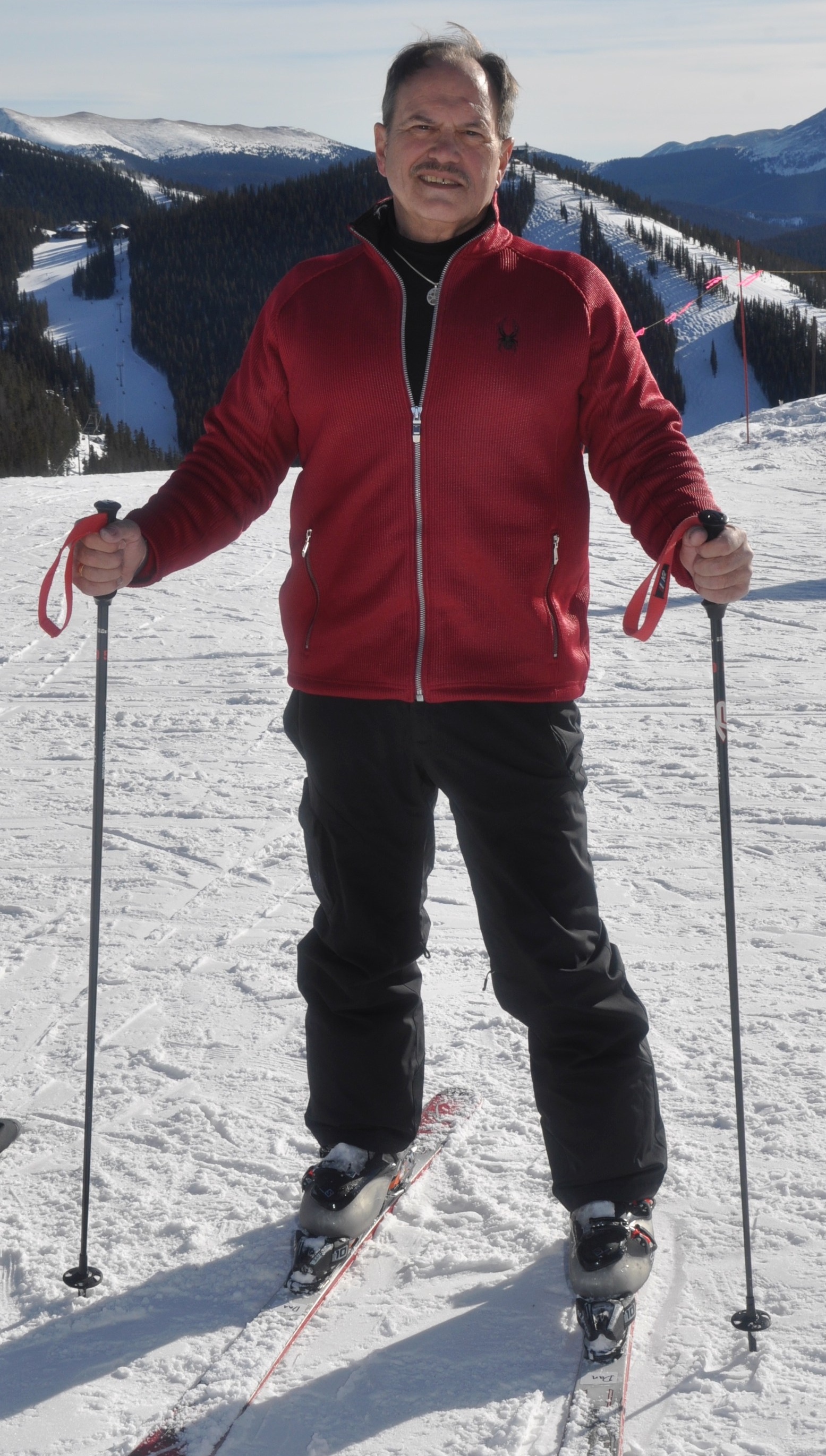
Dan December 2013 - Version 2And I plan to get on the lift at the bottom.

Posted in Uncategorized | Tagged , , , | Leave a comment

Roots & Wings—Pt 5: “Outcast”

At fifteen, Achos Tinker was still a juvenile, except when he’d picked up a gun and killed a man.  His court appointed attorney, Audrey Aderes, was immediately sure the boy would be middle aged before his appeals ran out and he faced a needle.  Luckily for Achos, however, she was good at her job and started looking for ways to defend her young client.  Beginning with the tragedy that landed him in her hands, what she discovered was heartbreaking in so many ways.

Audrey liked to get to know her clients and their side of the story before she began picking it apart with the evidence.  Playing her own “devil’s advocate” seemed to get her ready more quickly for the Prosecutor’s accusations and, when facing a jury, for their prejudices and questions.  In her first meeting with Achos the boy struck her as simply callous and unfeeling.  He began with obviously weak and practiced protestations of innocence.  She quickly let him know that if he wanted her help, he would have to drop the act and be honest with her.  Achos looked in her eyes and saw something rare in his world—honesty and sympathy—and decided to give her a chance.

His version of that night was as chilling as anything Audrey had ever encountered.  Everything had gone wrong, it seems, but that turned out to be par for the course in the life of this young boy.  She was glad she had remembered to turn on the voice recorder on her iPhone when the interview started because she was too upset to take notes and was sure she’d forget something.  Her first question after his story was over was, “Why did you try to rob those kids?”  His answer was the tip of the iceberg.

He thought they looked like an easy mark.  He had no money, nowhere to stay, no food.

Parents?  Father was completely unknown.  Mother died of an overdose when Achos was eight.  He’d been in and out of foster homes since then because he had no other relatives.  He hadn’t been in school yet this year because he’d been living on the street after running away from the last home.  The “father” in this home had beaten him unconscious, among other things, and Achos had left as soon as he woke up and was able to escape.  He had been staying with a few friends or “camped” in various spots around town.  The cold and snow had made him desperate.

Where did he get the gun?  The owner of a bodega in his neighborhood kept it behind the counter.  Achos spent quite a bit of time there with his friends, hanging out and snooping around, and had seen it.  When a high school-aged part time employee had been running the store, while she was preoccupied, he had taken the gun to protect himself in the homeless camps he’d been in.

Audrey’s perusal of the files she picked up at the courthouse was as depressing as her conversation with Achos.  Not only had he been in foster care all these years but he had a juvenile rap sheet that all but filled two pages: petty theft, minor in possession, disturbing the peace, and every other relatively minor offense for which someone in his position could be arrested.

His school records were worse.  He had been failing almost everything, primarily for lack of attendance, and he lacked the reading ability to function at his age level anyway.  That was not a surprise.  When he was at school, he was in detention just about as much as he was in the classroom.  Things did not look promising for Mr. Tinker.  She glanced at his grades in math classes and, given everything she’d discovered about him, thought that the boy should have been quite good at adding negative numbers.

Next Audrey reached out to the victims’ family to try to get their side of things.  This was always difficult, especially in the first week after the crime, yet she was surprised at the grace with which the Clemens family agreed to meet with her.

She expected a mood of great sadness in their modest home, but there was actually joy apparent that cold afternoon.  The house was colorful with Christmas decorations, a tree took up one corner of the living room, and carols were softly playing somewhere.  It was obvious, too, from the delicious aroma that came with the open door that someone had been baking cookies.  Mrs. Clemens offered her coffee or tea and some of those cookies still warm from the oven.  Audrey was overwhelmed.  She was glad to be seated when Maggie Clemens, the girl who had been struck by Achos’ gun, joined her parents to talk with Audrey.

Maggie had spent two days in the hospital.  Her jaw was still bandaged—the bruise purpling her face clear to her hairline, and Audrey could tell that she had suffered a wicked gash.  The conversation about the assault revealed that Maggie had received over 100 stitches to close the wound.  No, Maggie said, she didn’t think she would ever want cosmetic surgery to hide the scar.  She wanted it to be a reminder of her brother, Joe, and a prompt to talk to people about the needless violence that had taken his life.  Again Audrey was stunned by the strength she felt from this family.  Mr. Clemens explained that they didn’t want revenge, but healing.  They intended to be in court, of course, and Maggie would be as clear as possible in providing accurate, truthful details about that night when the Prosecutor put her on the stand, but they also wanted Audrey to question her.  The attorney was so stunned that she could barely ask why.

Mrs. Clemens explained that they, too, had learned about Achos Tinker.  Maggie knew who he was.  He had been in some of her classes when he was at school.  She had even thought she recognized his voice that night and knew him immediately when the officer yanked off the ski mask that had covered his face.

Despite their great loss, and Maggie told Audrey about the deep affection she and her brother had shared, they said that their family would go on, have good lives, learn to deal with Joe’s absence.  They would support one another just as they had before, and make sure that each setback was met with the same love with which they would celebrate every success.  But they also knew that Achos had never known this support and never would, especially if he spent the rest of his life in jail.  They planned to be in court to ask for mercy for Achos, to forgive him, and to plead for others to reach out to him.

The public outcry to the assault was nothing compared to some responses when the judgment was passed. At the end of the trial Achos Tinker was sentenced to “merely” ten years in the state prison and eligible for parole in five. When Audrey proposed it, the Prosecutor had been willing to forgo a jury trial and let the judge decide the case. He was an attorney with a conscience, as well, and raised no objections when the judge then altered his own ruling so that the sentence was to be served in juvenile detention where Achos could receive a better education and counseling and, perhaps, be safer than he would be in the prison.

Mr. and Mrs. Clemens made sure Achos had that education and counseling. They were there when he received his GED. Maggie couldn’t attend because she was taking final exams in her last semester of high school. She would go on to college. With her degree in social justice, she planned to go on to law school.

Before she passed the bar, Maggie was married.  Her first child arrived soon after she started practice.  She named him Joe.

Posted in Uncategorized | Tagged , , | Leave a comment

Roots & Wings—Pt 4: “Brothers and Sisters”

He is four years older than she and has always been her best friend, playmate, confidante, guide, and protector.  They could only be closer if they were twins, but it doesn’t matter.  Through sibling spats, adolescence, dating, and many short separations, they have remained constant in their devotion and friendship.  She thought he was just short of Superman on the football field.  His girlfriends suffered from her candid insights into their shortcomings or, rarely, gained an ally.  She thought she’d never get a date because his friends wouldn’t ask his little sister to go out with them.  Others were afraid of his retribution.  One or two passed the “test” only to pale in comparison to her hero.  Their parents knew they could trust both of their children to support one another and do the right thing.

When he left for college, she cried for a week, and he felt lost in a strange place without her enthusiasm.  Phone calls, emails, facetime, texts…it all helped a little.  Nothing could take the place of late night heart-to-heart chats on life in general just sitting on the roof above their bedrooms or on the front steps.  Semester break his freshman year took forever to arrive.  She watched anxiously out the front window for his car to appear over the top of the hill at the end of the block, and she ran to meet him in the driveway.

A trip to the mall for some Christmas shopping and a movie was the agenda for the next day.  They had lots of catching up to do despite their cyberspace communications.  Three hours of chatting, window shopping, a stop for coffee, and final purchases of gifts for their parents and friends and one another resulted in several bags for both of them to carry back to their car before the movie.  Their spirits grew even more festive with the new snow that was falling to give the parking lot a clean covering and loudspeakers outside the stores playing songs of peace and joy.

As he fumbled for his keys, he heard her shocked exclamation and turned to find himself looking at a young man in a ski mask who was holding a very large gun pointed at his precious sister.  The assailant couldn’t have been any older than she from the style of his clothes, his shaking hands, and the pitch of his voice when he told her brother to hand over the keys and all of his money.

He begged the thief not to harm his sister.  She was sobbing by then and begging him not to hurt her brother.  When she grew more hysterical, he roughly jerked her arm, gruffly telling her to be quiet.  Her brother yelled at him to stop hurting her and took a step toward the pair.

Turning anxiously toward the angry brother, he pointed the shaking gun at him and told him to get back.  She screamed when she thought her brother would be shot, and raised her hands to her mouth.  In this confusion, the gun went off.  Her brother was struck in the chest and thrown back against the car by the bullet that tore through his body.  He sagged against the car and slumped to the snowy ground that was spattered and quickly stained with his blood.

This was more than she could stand.  She lunged at the man who had just murdered her beloved brother, but, no larger than he was, he was still bigger than she.  In his panic at what had occurred, he swung the gun at her.  The hammer of the revolver struck just under her jaw, tearing a gash in her fair skin from her chin almost to her ear.  The impact knocked her to the ground next to her brother, and just before she lost consciousness, she reached out to take his hand.

The screams and the gunshot had attracted the attention of several other shoppers and an off-duty police officer who was serving as a security guard during the holiday season.  Just as the masked gunman turned to run, he was told to drop his gun and get down on the ground.  The first thing he saw was the officer’s own weapon.  Wisely he dropped his bloody gun and put up his hands on his head; then he knelt in the snow beside the unconscious young girl and her dead brother.  Already the sirens of police vehicles and an ambulance were drowning out “Silent Night” from the loudspeakers.

Posted in Uncategorized | Tagged , , | Leave a comment